

Shape memory alloy materials: Introduction to the uses of shape memory alloy materials
志联
2024-10-30
Shape memory alloys are widely used. For example, mechanical fasteners, pipe fittings, fire alarms, connectors, integrated circuits on electronic devices, brazing artificial heart valves, spinal correction rods, craniofacial repair and cosmetic surgery, orthodontic and maxillofacial repair surgery, etc. They play a magical role in communication satellites, color TVs, temperature controllers, and toys. It will also become a new shape memory alloy material used in various fields of modern navigation, aviation, aerospace, transportation, and textiles. In pipeline connection and automatic control, sleeves made of shape memory alloy can replace welding. The method is to expand the pipe end by about 4% at low temperature and assemble them together during assembly. After heating, the sleeve shrinks and recovers its original shape, forming a tight connection. The hydraulic system of US Navy aircraft uses 100,000 such joints, and there has been no oil leakage or damage for many years. Damaged ships and submarine oil pipelines can be repaired using shape memory alloy fittings, which is very convenient. In some places where construction is inconvenient, the tenons are made of shape memory alloy and heated in the holes. The ends of the pins will automatically crimp to form a one-sided component.
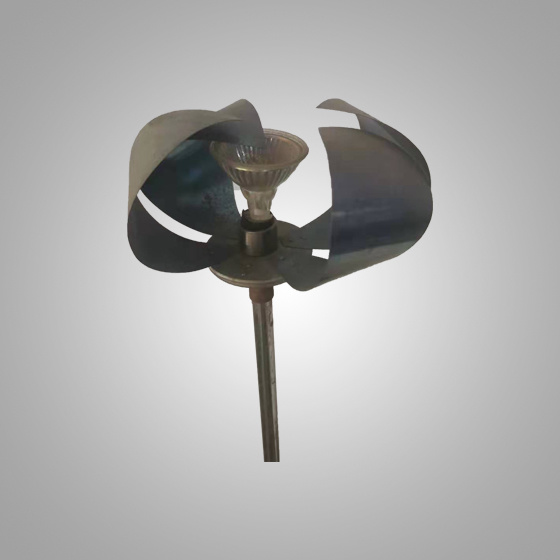
The medical applications of shape memory alloys are also very attractive. For example, bone plates used for bone fixation can not only fix two broken bones, but also generate compressive force during the process of restoring the original shape, forcing the broken bones together. Orthodontic wires, long clips used to ligate cerebral aneurysms and vas deferens, and support plates used for spinal straightening are all activated by body temperature after being implanted into the human body. Thrombus filters are also new products of shape memory alloys. After the straightened filter is implanted into the vein, it will gradually recover to a mesh shape, preventing 95% of blood clots from flowing to the heart and lungs.
Previous:
Related News

Hotline:
Contact Email:
Address:
Building 19, Liandong U Valley, Sanhe Subdistrict, Huiyang District, Huizhou City, Guangdong Province, China
NiTinol -Titanium Memory Alloy Wire | NiTinol Spring | NiTinol - Fastening Ring


Follow WeChat

Add WeChat
Power by:www.300.cn | Tag | Privacy Policy | City List