

Understanding the Importance of Disc Washers in Metallurgy and Alloys
志联
2026-01-21
 Understanding the Importance of Disc Washers in Metallurgy and Alloys
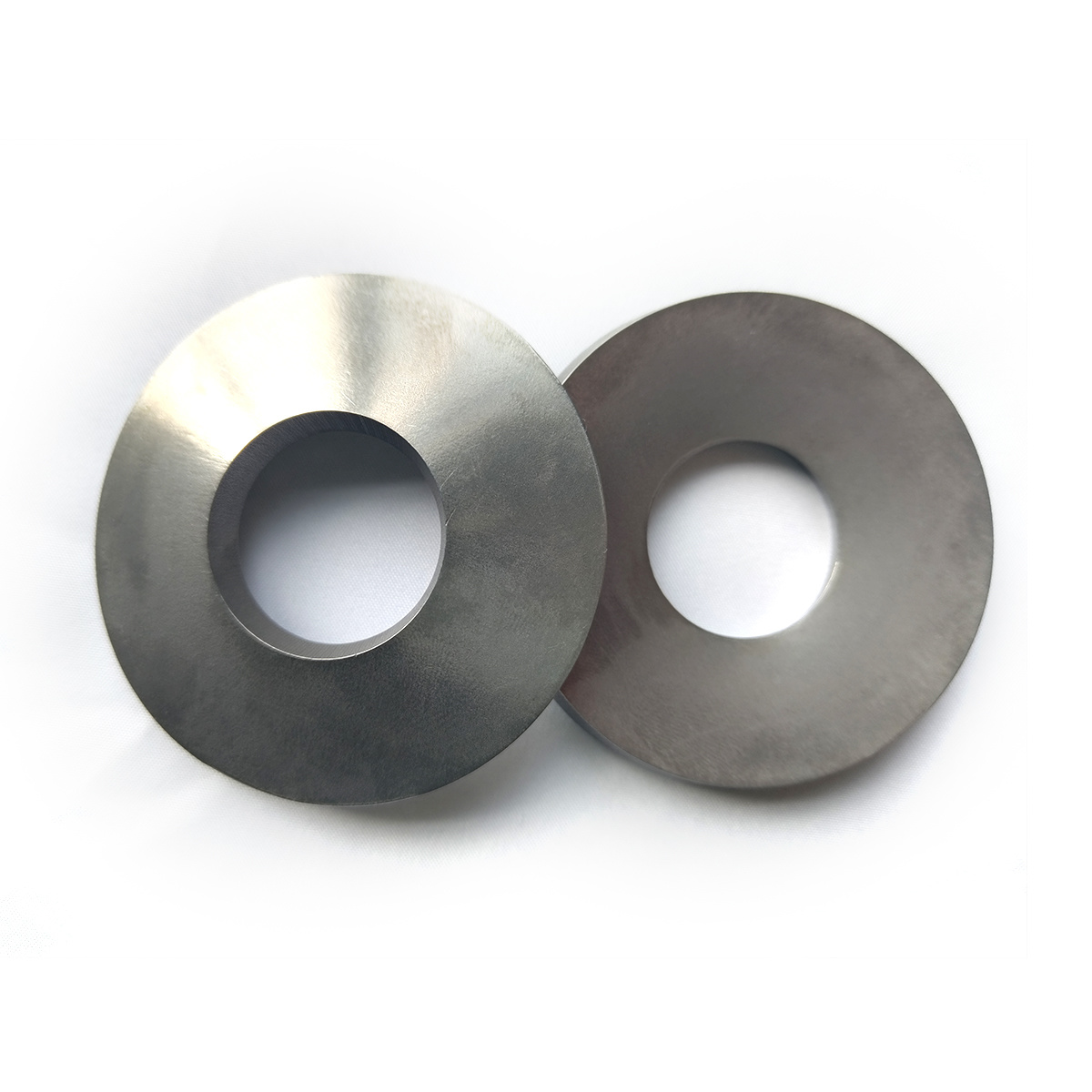
In the field of metallurgy and alloys, particularly within the domain of miscellaneous alloys, disc washers play a pivotal role in enhancing the performance and reliability of various components. These specialized washers are designed in a disc shape and are utilized primarily to distribute load, reduce friction, and prevent wear between surfaces. Understanding the key attributes of disc washers is essential for engineers and manufacturers aiming to optimize their products.
One of the main advantages of using disc washers is their ability to provide uniform pressure distribution across a bolted joint. When applied in metallic constructions, they help to minimize the risk of surface damage that can occur due to uneven pressure. This quality is particularly valuable in applications where vibration or movement is anticipated, as the disc washer can absorb shock and maintain joint integrity over time.
The materials used to manufacture disc washers can vary based on their intended application. In metallurgy, it is common to see disc washers made from high-strength alloys or corrosion-resistant materials. This is crucial in environments where exposure to harsh chemicals or extreme temperatures may compromise the integrity of standard components. Choosing the right material for disc washers can significantly impact the overall durability and performance of an assembly.
In addition to material considerations, the design and dimensions of disc washers are equally significant. The thickness, diameter, and center hole size can all influence the effectiveness of the washer in its application. For instance, a thicker washer may be required in heavy-load applications to ensure adequate load distribution, whereas a thinner one might suffice in lighter applications. Customization options are often available, allowing manufacturers to tailor the specifications of disc washers to meet unique project requirements.
Moreover, disc washers facilitate easier assembly and disassembly of components, which can save time and reduce labor costs during manufacturing processes. Their design allows for straightforward installation, enabling engineers to implement them without special tools or extensive training. This efficiency is a key consideration in high-volume production settings where minimizing downtime is essential.
In conclusion, disc washers are an indispensable component in the metallurgy and miscellaneous alloy industries. They provide critical benefits, including load distribution, wear reduction, and improved assembly efficiency. By selecting the appropriate materials and designs for disc washers, manufacturers can enhance the overall performance and longevity of their products, making them a valuable addition to any engineering project. Whether you are working on large-scale industrial applications or specialized alloy creations, understanding the functions and advantages of disc washers can lead to more robust and reliable outcomes.
One of the main advantages of using disc washers is their ability to provide uniform pressure distribution across a bolted joint. When applied in metallic constructions, they help to minimize the risk of surface damage that can occur due to uneven pressure. This quality is particularly valuable in applications where vibration or movement is anticipated, as the disc washer can absorb shock and maintain joint integrity over time.
The materials used to manufacture disc washers can vary based on their intended application. In metallurgy, it is common to see disc washers made from high-strength alloys or corrosion-resistant materials. This is crucial in environments where exposure to harsh chemicals or extreme temperatures may compromise the integrity of standard components. Choosing the right material for disc washers can significantly impact the overall durability and performance of an assembly.
In addition to material considerations, the design and dimensions of disc washers are equally significant. The thickness, diameter, and center hole size can all influence the effectiveness of the washer in its application. For instance, a thicker washer may be required in heavy-load applications to ensure adequate load distribution, whereas a thinner one might suffice in lighter applications. Customization options are often available, allowing manufacturers to tailor the specifications of disc washers to meet unique project requirements.
Moreover, disc washers facilitate easier assembly and disassembly of components, which can save time and reduce labor costs during manufacturing processes. Their design allows for straightforward installation, enabling engineers to implement them without special tools or extensive training. This efficiency is a key consideration in high-volume production settings where minimizing downtime is essential.
In conclusion, disc washers are an indispensable component in the metallurgy and miscellaneous alloy industries. They provide critical benefits, including load distribution, wear reduction, and improved assembly efficiency. By selecting the appropriate materials and designs for disc washers, manufacturers can enhance the overall performance and longevity of their products, making them a valuable addition to any engineering project. Whether you are working on large-scale industrial applications or specialized alloy creations, understanding the functions and advantages of disc washers can lead to more robust and reliable outcomes.
Related News

Hotline:
Contact Email:
Address:
Building 19, Liandong U Valley, Sanhe Subdistrict, Huiyang District, Huizhou City, Guangdong Province, China
NiTinol -Titanium Memory Alloy Wire | NiTinol Spring | NiTinol - Fastening Ring


Follow WeChat

Add WeChat
Business License
Power by:www.300.cn | Tag | Privacy Policy | City List