

Exploring the Alloys Behind Bracelets and Rings: A Metallurgical Perspective
志联
2026-05-18
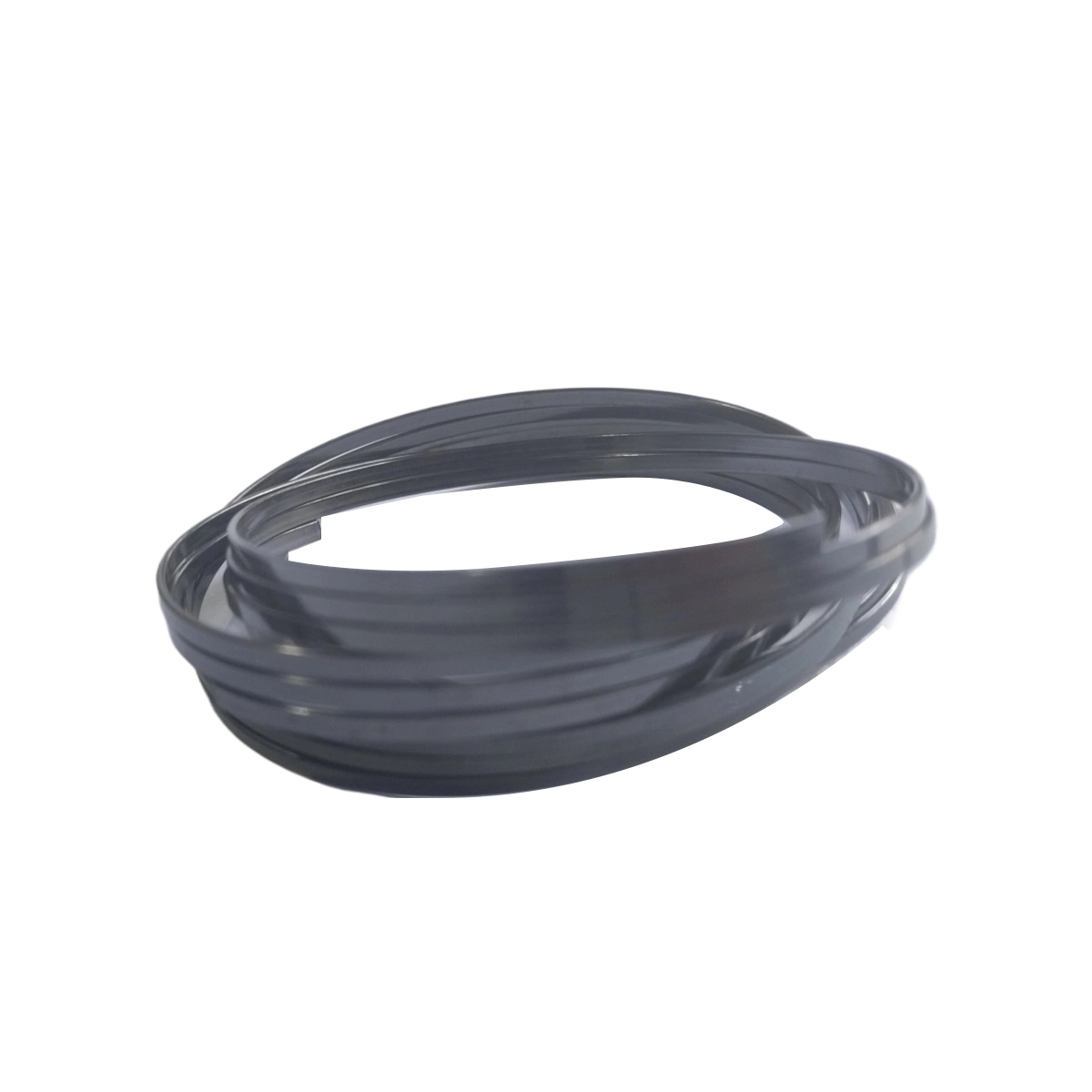 Exploring the Alloys Behind Bracelets and Rings: A Metallurgical Perspective
When it comes to the creation of bracelets and rings, the choice of materials is paramount. Alloys, which are mixtures of two or more metals, play a crucial role in determining the appearance, durability, and functionality of these accessories. Understanding the metallurgical aspects of these materials can provide valuable insights for professionals in the metallurgy and energy sectors.
One of the most common alloys used in jewelry is gold, which is often alloyed with metals such as copper, silver, or palladium to enhance its hardness and alter its color. The karat system, which measures the purity of gold, is essential knowledge in this context. For instance, 18-karat gold contains 75% pure gold and 25% other metals, making it a popular choice for bracelets and rings due to its balance of quality and durability.
Silver is another widely used metal in the jewelry industry. Sterling silver, composed of 92.5% silver and 7.5% other metals (commonly copper), offers a brilliant luster and is relatively affordable. Its versatility makes it an ideal material for various designs, including intricate bracelets and rings. The alloying process not only enhances the metal's strength but also influences its tarnishing properties, an important consideration for consumers.
Titanium, known for its strength-to-weight ratio, has gained popularity in the jewelry market, especially for modern and minimalist designs. When alloyed with aluminum or vanadium, titanium becomes even more durable and corrosion-resistant. This makes it suitable for both stylish bracelets and rings, as well as practical applications in aerospace and medical fields, where biocompatibility is a key factor.
Another notable mention is stainless steel, an alloy of iron, carbon, and chromium. Its resistance to rust and corrosion makes it a favored choice for fashion jewelry. Stainless steel bracelets and rings can be produced in various finishes, appealing to a broad audience while maintaining structural integrity over time.
Lastly, the advent of advanced alloys such as cobalt-chromium and nickel-free options has opened new avenues in jewelry design. These materials offer unique properties, such as hypoallergenic qualities and increased strength, catering to consumers with specific needs and preferences.
In conclusion, the alloys used in bracelets and rings are not merely aesthetic choices; they are critical components that impact the jewelry's performance and longevity. By understanding the metallurgical properties of these materials, professionals in the metallurgy and energy sectors can better appreciate their application in the jewelry industry.
One of the most common alloys used in jewelry is gold, which is often alloyed with metals such as copper, silver, or palladium to enhance its hardness and alter its color. The karat system, which measures the purity of gold, is essential knowledge in this context. For instance, 18-karat gold contains 75% pure gold and 25% other metals, making it a popular choice for bracelets and rings due to its balance of quality and durability.
Silver is another widely used metal in the jewelry industry. Sterling silver, composed of 92.5% silver and 7.5% other metals (commonly copper), offers a brilliant luster and is relatively affordable. Its versatility makes it an ideal material for various designs, including intricate bracelets and rings. The alloying process not only enhances the metal's strength but also influences its tarnishing properties, an important consideration for consumers.
Titanium, known for its strength-to-weight ratio, has gained popularity in the jewelry market, especially for modern and minimalist designs. When alloyed with aluminum or vanadium, titanium becomes even more durable and corrosion-resistant. This makes it suitable for both stylish bracelets and rings, as well as practical applications in aerospace and medical fields, where biocompatibility is a key factor.
Another notable mention is stainless steel, an alloy of iron, carbon, and chromium. Its resistance to rust and corrosion makes it a favored choice for fashion jewelry. Stainless steel bracelets and rings can be produced in various finishes, appealing to a broad audience while maintaining structural integrity over time.
Lastly, the advent of advanced alloys such as cobalt-chromium and nickel-free options has opened new avenues in jewelry design. These materials offer unique properties, such as hypoallergenic qualities and increased strength, catering to consumers with specific needs and preferences.
In conclusion, the alloys used in bracelets and rings are not merely aesthetic choices; they are critical components that impact the jewelry's performance and longevity. By understanding the metallurgical properties of these materials, professionals in the metallurgy and energy sectors can better appreciate their application in the jewelry industry.
Related News

Hotline:
Contact Email:
Address:
Building 19, Liandong U Valley, Sanhe Subdistrict, Huiyang District, Huizhou City, Guangdong Province, China
NiTinol -Titanium Memory Alloy Wire | NiTinol Spring | NiTinol - Fastening Ring


Follow WeChat

Add WeChat
Business License
Power by:www.300.cn | Tag | Privacy Policy | City List